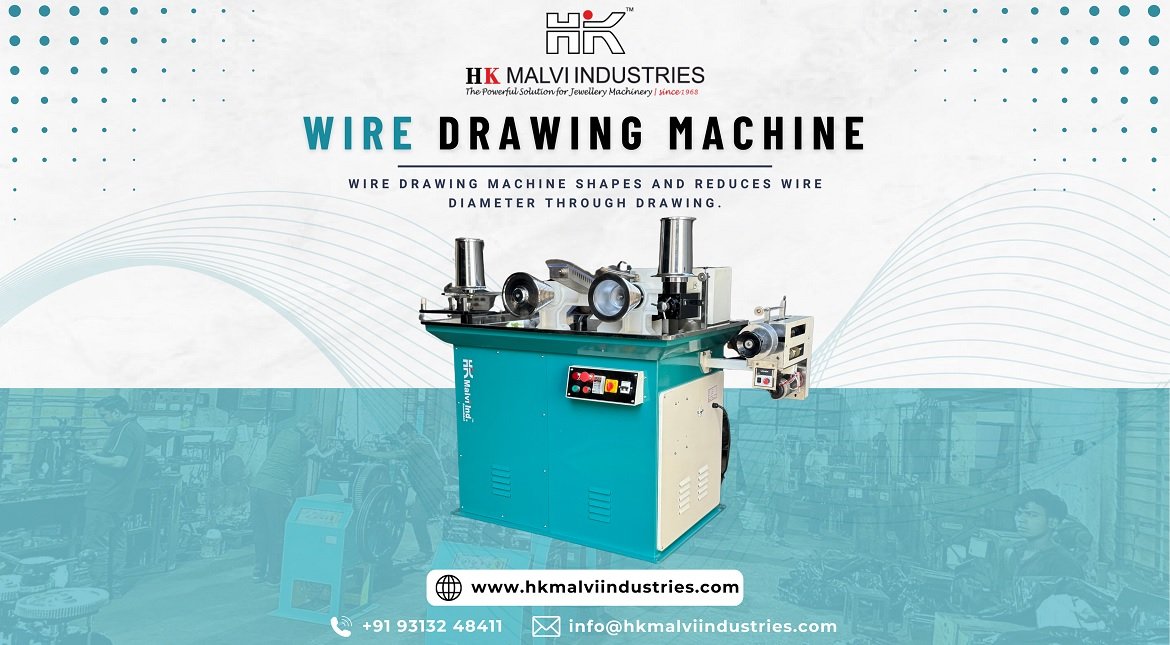
Investing in the right equipment is the foundation of any profitable jewellery manufacturing unit, whether you are setting up a small workshop or a large-scale commercial plant. For factory owners, goldsmiths, and production managers, understanding the intricacies of capital expenditure on reliable machinery is critical for long-term viability. When evaluating your shop-floor requirements, analyzing the exact parameters that influence capital outlay helps prevent costly downtime. The core of your production line often relies on a precision jewellery wire drawing machine cost, which dictates the finish, tensile strength, and uniformity of the precious metals you process.
From our 60+ years of hands-on engineering expertise on the manufacturing floor, we have seen how equipment longevity impacts the bottom line. Over the decades, processing gold and silver requires machinery that minimizes metal loss and operates with high energy efficiency. In dynamic markets like Mumbai and Surat, factory owners constantly balance upfront capital with long-term operational costs. Finding reliable jewellery making machine manufacturers near me is a common priority for operations looking to scale without compromising on precise tolerances.
When planning a complete jewellery plant setup, understanding the variance in equipment pricing requires a granular look at metallurgy, die-calibration, and motor efficiency. The operational reality is that standard equipment may struggle with the continuous operational demands of heavy-duty Indian workshops.
Why Choose H.K Malvi Industries for Jewellery Wire Drawing Machine Cost
Evaluating the real Jewellery Wire Drawing Machine Cost in Ahmedabad involves more than just looking at the initial invoice; it requires calculating the total cost of ownership over ten to fifteen years. Founded in 1968 by Mr. Himmatram K. Malvi, our group has deeply understood the daily challenges faced by Indian jewellery manufacturers. Currently led by Mr. Shyam Malvi (CEO), our engineering team focuses on customized solutions that directly address power consumption, operator safety, and output precision.
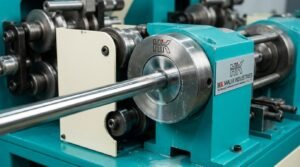
With over 1000+ custom jewellery and minting machinery solutions delivered globally, our approach is rooted in practical, shop-floor realities. In bustling production hubs like Delhi and Jaipur, karigars and factory operators require machinery that performs consistently during peak festive season runs. We integrate modern variable frequency drives (VFDs) and high-grade alloy steel components into our builds to ensure smooth drawing without snapping delicate gold or silver wire.
For facilities also looking to integrate a gold rolling machine into their workflow, our cohesive system design ensures that the semi-finished metal moves seamlessly from one stage to the next. By minimizing friction and utilizing continuous lubrication systems, our wire drawing equipment ensures that precious metal dust recovery is maximized—a crucial factor for any Indian mint owner or goldsmith.
Our Jewellery Wire Drawing Machine Cost Manufacturing Capabilities
The capabilities of your manufacturing partner directly influence the efficiency of your production line. We align our manufacturing processes with ISO 9001:2015 standards, emphasizing strict quality control from raw material selection to final assembly. Operating from our facility at C/1/507, GIDC Industrial Area, Near New Odhav Water Tank, Odhav, Ahmedabad, Gujarat 382415, India, we have built a reputation as a trusted exporter to 20+ countries.
People often ask: What determines the capacity of a wire drawing unit? The answer lies in the motor torque, the number of drawing dies, and the cooling mechanism. Whether you require a single-block bull machine for thick rods or a multi-stage continuous drawing machine for fine filigree work, precision engineering dictates the output. High-volume manufacturers in Bangalore and Hyderabad utilize our customized systems to maintain exact gauges across kilometers of wire.
For clients planning a coin minting plant setup India, the preliminary wire and sheet preparation must be flawless before it reaches the stamping presses. We engineer our drawing blocks from specialized hardened steel, ensuring unmatched durability and minimal die-wear over time.
Get a Quote for [Jewellery Wire Drawing Machine Cost]
Navigating Quality Standards & Precision Engineering
Maintaining rigorous quality standards is non-negotiable when dealing with high-value precious metals. Precision jewellery equipment must operate with near-zero vibration to prevent micro-fractures in the drawn wire. People also ask: How do we ensure minimal metal loss during the drawing process? We achieve this by integrating advanced submerged lubrication systems that keep the dies cool and the metal surface flawless.
In centers like Chennai and Kolkata, humidity and temperature variations can affect machinery performance. Our energy-efficient designs feature robust cooling mechanisms and sealed gearboxes to withstand harsh environmental conditions. The integration of advanced PLCs allows operators to control drawing speeds precisely, reducing the risk of wire breakage.
If you are researching the implementation of a bull block wire machine in Ahmedabad, it is essential to consider the after-sales support and the availability of spare parts. We maintain an extensive inventory of critical components, ensuring that any maintenance requirements are addressed swiftly. A common question we receive is: Is specialized training required for operators? Yes, we provide comprehensive on-site training to ensure your staff can calibrate dies and maintain the machinery safely. Access our Free Machinery Consultation to discuss your specific workshop layout.
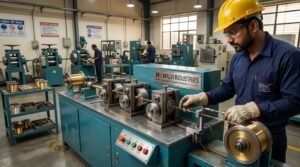
Local Manufacturers vs H.K Malvi Industries
When sourcing custom jewellery machinery India, factory owners frequently compare unbranded local fabricators with established engineering firms. The difference in operational lifespan, safety, and output quality is significant.
|
Feature / Parameter |
Standard Local Manufacturers |
**H.K Malvi Industries** |
|---|---|---|
|
Engineering Standard |
Basic fabrication, manual alignment |
ISO 9001:2015 aligned, precision CNC machined |
|
Energy Efficiency |
Standard induction motors, high power draw |
VFD-controlled, energy-efficient power transmission |
|
Metal Recovery |
Open systems, higher dust loss |
Enclosed lubrication, maximum precious metal recovery |
|
Durability |
Requires frequent block resurfacing |
Hardened alloy steel blocks, unmatched durability |
|
After-Sales Support |
Limited or no formal service network |
Excellent after-sales support, global spare parts delivery |
Many startup brand owners in Pune and Indore have discovered that saving marginally on initial capital often leads to severe production bottlenecks later. To properly map your expenses, we recommend utilizing our Download Jewellery Machinery Cost Guide which breaks down expected ROI.
Step-by-Step Process – How We Deliver Jewellery Wire Drawing Machine Cost & Real Client Case Study
Delivering heavy-duty goldsmith machinery requires a systematic approach. The process begins with a detailed technical consultation to understand your specific alloy types—whether you are working with 22K gold, sterling silver, or specialized platinum alloys. People also ask: How long does it take to manufacture and install a custom unit? Typically, depending on the complexity, our timeline from drawing approval to dispatch ranges from 4 to 8 weeks.
Once the technical specifications are locked, our engineering team in Gujarat begins the fabrication. Every machine undergoes rigorous no-load and full-load testing on our shop floor before it is crated. We handle secure logistics for domestic deliveries to Chandigarh or Vadodara, as well as international shipping for our global clients. You can contact our engineering team directly via our site to schedule an initial layout review.
Mini Client Success Story
A prominent jewellery exporter in Mumbai was facing excessive wire snapping issues with their legacy equipment, leading to a 15% drop in daily throughput. After installing our continuous multi-die wire drawing machine with VFD controls, their wire breakage dropped to zero, and operator efficiency improved dramatically within the first month.
Detailed Client Case Study: Scaling Production in a Surat Manufacturing Facility
Background: A medium-scale B2B jewellery manufacturer (Client ‘S-Jewels’ – anonymized) needed to upgrade their primary metal preparation line. Their existing setup was consuming excessive electricity and causing high die-wear.
Challenge: The client required a machine capable of drawing high-tensile white gold alloys without microscopic surface abrasions, fitting within a very strict budget and tight floor space.
Solution: We engineered a compact, tandem wire drawing unit with integrated water-cooling and closed-loop lubrication. We optimized the motor capacities to run on their existing power grid without requiring a sub-station upgrade.
Result: ‘S-Jewels’ reported a 30% reduction in power consumption and a 40% increase in drawing speed. The enclosed system also improved their gold dust recovery by 2.5%, directly adding to their bottom line profits. Their investment was fully recovered within 14 months.
If you are evaluating your factory’s next upgrade, reach out via our WhatsApp CTA on the website or email info@hkmalviindustries.com to speak directly with our technical experts.
Frequently Asked Questions
1. What factors determine the price of a wire drawing machine?
The cost is primarily determined by the number of drawing dies, motor capacity, integration of VFD technology, cooling systems, and the grade of materials used for the drawing blocks.
2. Can these machines process both gold and silver?
Yes, our precision equipment is engineered to process various precious metals including gold, silver, and platinum. Operator adjustments to speed and die selection allow for multi-metal processing.
3. How much power does a standard wire drawing unit consume?
Power consumption varies based on capacity, but our modern machines utilize energy-efficient motors and variable frequency drives to significantly lower electricity usage compared to older models.
4. What maintenance is required for continuous operation?
Routine maintenance involves checking lubrication fluid levels, inspecting drawing dies for wear, ensuring belt tension is correct, and keeping the drawing blocks clean from metal debris.
5. Do you provide installation and operator training?
Yes, we provide comprehensive installation guidance and hands-on operator training to ensure your team can run the machinery safely and efficiently from day one.
6. What is the expected lifespan of your heavy-duty machinery?
With proper routine maintenance, our robust machinery is designed to operate seamlessly for 15 to 20 years on heavy-duty production floors.
7. How do I order custom machinery for my specific factory layout?
You can contact us directly through our website or email info@hkmalviindustries.com. Our engineering team will assess your floor plan and technical requirements to design a custom solution. Please confirm our latest phone number directly from our site.