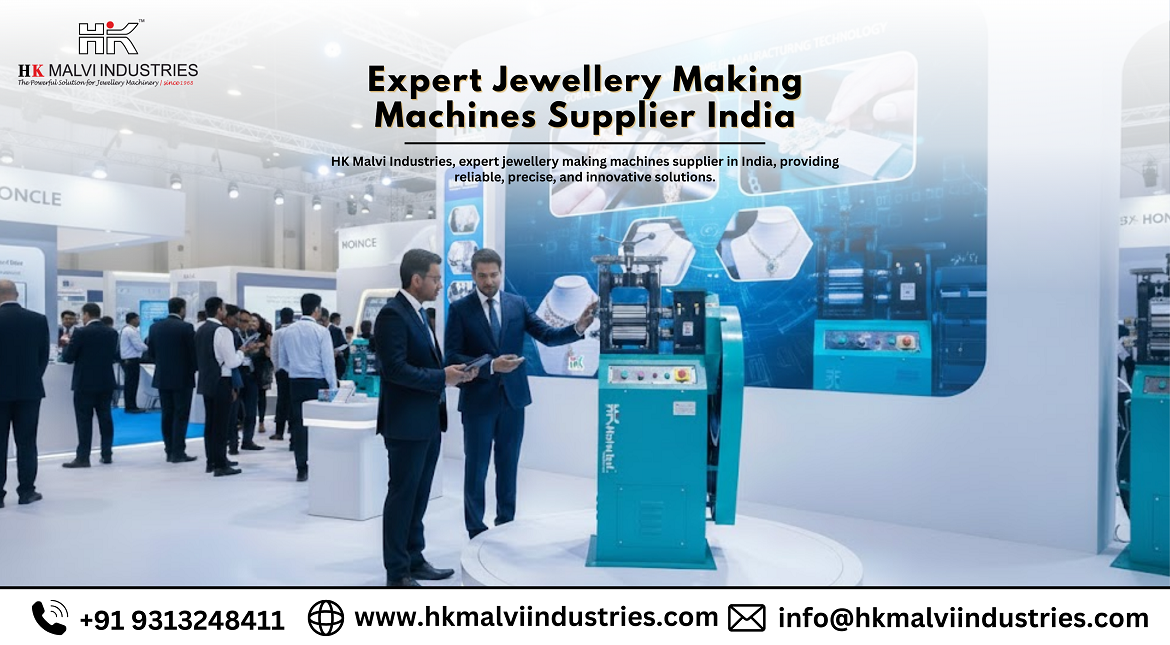
Setting up a reliable jewellery manufacturing unit requires machinery that delivers exact tolerances shift after shift. When you are processing high-value precious metals, a minor calibration error or uneven sheet thickness can lead to significant material loss and structural fatigue in the final ornaments. Achieving molecular integrity during the metal compression phase is non-negotiable for commercial workshops. For factory owners focused on minimizing wastage, integrating jewellery rolling mill machines supplier into the production line ensures consistent gauge control and a flawless surface finish. By utilizing heavy-duty cast iron frames and hardened steel components, factory floors can maintain uninterrupted, vibration-free operations.
The Foundation of a Robust Jewellery Plant Setup
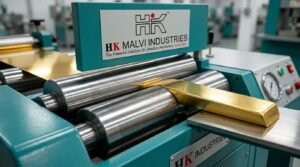
Operating a high-capacity facility in cities like Surat or Mumbai demands equipment built for continuous, 24-hour cycles. A standard rolling press often struggles with heat expansion under heavy workloads, causing the rollers to shift microscopically out of parallel alignment. Upgrading to a precision-engineered single head gold rolling machine mitigates these thermal and mechanical stresses. Advanced systems use automated lubrication and specifically calibrated gearboxes to reduce friction. This directly translates to lower operational costs and a noticeable reduction in the fine gold dust typically lost during high-friction rolling.
Navigating Quality Standards & Precision Engineering
Understanding the engineering legacy behind your equipment is critical for long-term profitability. Since 1968, H.K Malvi Industries, founded by Mr. Himmatram K. Malvi and currently led by Mr. Shyam Malvi, has delivered over 1000 custom machinery solutions worldwide. Operating from Ahmedabad, the facility adheres to ISO 9001:2015 aligned processes. When evaluating a jewellery machinery wholesaler, prioritizing a supplier with a proven 56-year track record ensures that the machinery is designed specifically for the unique metallurgical properties of Indian gold alloys. For instance, a medium-scale workshop in Jaipur recently upgraded their manual presses to an automated rolling setup, resulting in a 30% reduction in processing time and complete elimination of edge-cracking in their 22k gold sheets.
Get a Quote for Jewellery Rolling Mill Machine Supplier
Local Fabricators vs Specialized Engineering
Finding the right Jewellery Rolling Mill Machine Supplier in Ahmedabad requires comparing long-term value against initial capital expenditure. Generic equipment often relies on commercial-grade steel, which wears down quickly under the immense pressure required for gold rolling or a coin minting plant setup.
|
Evaluation Criteria |
Generic Local Fabricators |
H.K Malvi Industries |
|---|---|---|
|
Engineering Precision |
Manual lathe finishing, prone to micro-vibrations. |
CNC-machined rollers with micron-level accuracy. |
|
Material Durability |
Standard commercial steel rollers. |
High-carbon, vacuum-hardened alloy steel. |
|
Export Compliance |
Domestic focus, limited documentation. |
Trusted exporter to 20+ countries. |
|
Gold Loss Prevention |
High friction leads to metal dust loss. |
Optimized roller dynamics minimize wastage. |
When looking for jewellery machine manufacturers for export, facility managers must ensure the machinery meets international electrical and safety compliances. Energy-efficient designs that handle heavy torque without overheating provide the reliability needed for global operations.
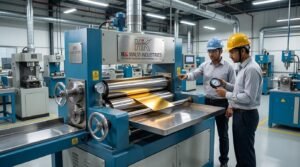
Step-by-Step Process – How We Deliver Reliable Equipment
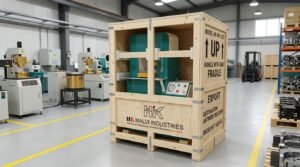
The integration of heavy goldsmith machinery requires a structured technical approach. It begins with a detailed load calculation and factory layout assessment. Whether you are expanding a facility in Pune, establishing a new line in Vadodara, or upgrading a wire drawing machine in Chennai, the motor capacity and roller dimensions must match your exact throughput. Engaging with specialized gold jewellery production machines ensures that the equipment arrives pre-calibrated for your specific alloy gauges. After CNC fabrication and rigorous full-load testing at the C/1/507 GIDC facility, the machinery is securely dispatched with comprehensive installation manuals and remote technical support protocols.
Real Client Case Study: Scaling Up in Kolkata
A well-established commercial jewelry manufacturer in Kolkata was experiencing frequent bottlenecks in their sheet preparation department. Their existing equipment, sourced from generic Jewellery Making Machine Manufacturers, suffered from recurring bearing failures and inconsistent roller alignment. This caused unacceptable rejection rates during the stamping phase. They required a robust custom jewellery machinery India solution capable of sustaining three consecutive shifts to meet the demands of their expanding retail network across Delhi, Bangalore, and Hyderabad.
Our engineering team conducted a thorough technical consultation and recommended the deployment of two high-torque double head rolling units. These machines featured reinforced gearboxes and advanced cooling channels to manage the continuous processing of 22k gold. Within six weeks of commissioning, the client reported a 40% reduction in machine downtime. The exact calibration of the high-carbon steel rollers eliminated the material wastage they previously experienced, allowing them to recover their capital investment rapidly. For specific technical assistance or to schedule a free machinery consultation, plant managers can easily reach out via our contact us portal.
Frequently Asked Questions (FAQs)
1. What types of machines are essential for a modern jewellery plant setup?
A comprehensive setup requires single and double head rolling machines, wire drawing units, precision gold casting machines, and hydraulic presses. These systems work together to handle everything from initial melting to final sheet and wire preparation.
2. How does a high-quality rolling mill prevent gold loss?
Precision-engineered rolling mills use mirror-polished, high-carbon steel rollers that apply uniform pressure. This eliminates surface tearing and minimizes the friction that typically generates microscopic, unrecoverable gold dust.
3. Are your machines suitable for processing silver and other precious metals?
Yes, the machinery is highly versatile. By adjusting the roller gap and pressure settings, operators can efficiently process gold, silver, platinum, and various copper alloys without compromising the surface finish.
4. Do you provide installation support for coin minting plants?
Yes, comprehensive technical manuals and dedicated remote engineering support are provided. This ensures that heavy-duty equipment like blanking presses and coining presses are perfectly leveled and synchronized for immediate production.
5. How long is the manufacturing lead time for custom rolling machines?
Standard industrial rolling machines are typically ready for dispatch within 4 to 6 weeks. Highly customized units tailored for specific floor spaces or specialized wire profiles may require 8 to 12 weeks of engineering and testing.
6. Do you supply spare parts for older machinery?
Yes, an extensive registry of all delivered machines is maintained. Clients can simply provide their serial number via info@hkmalviindustries.com to receive exact replacement parts, ensuring decades of operational longevity.
7. Can I request a consultation for my factory in Indore or Surat?
Absolutely. Specialized technical consultations are available for factory owners across all major Indian cities. You can call +91 93132 48411 to discuss your daily production targets and specific equipment upgrades.